Clear the Ground for What Comes Next
Demolition and Haul Off Services in Greenwood and Surrounding Areas
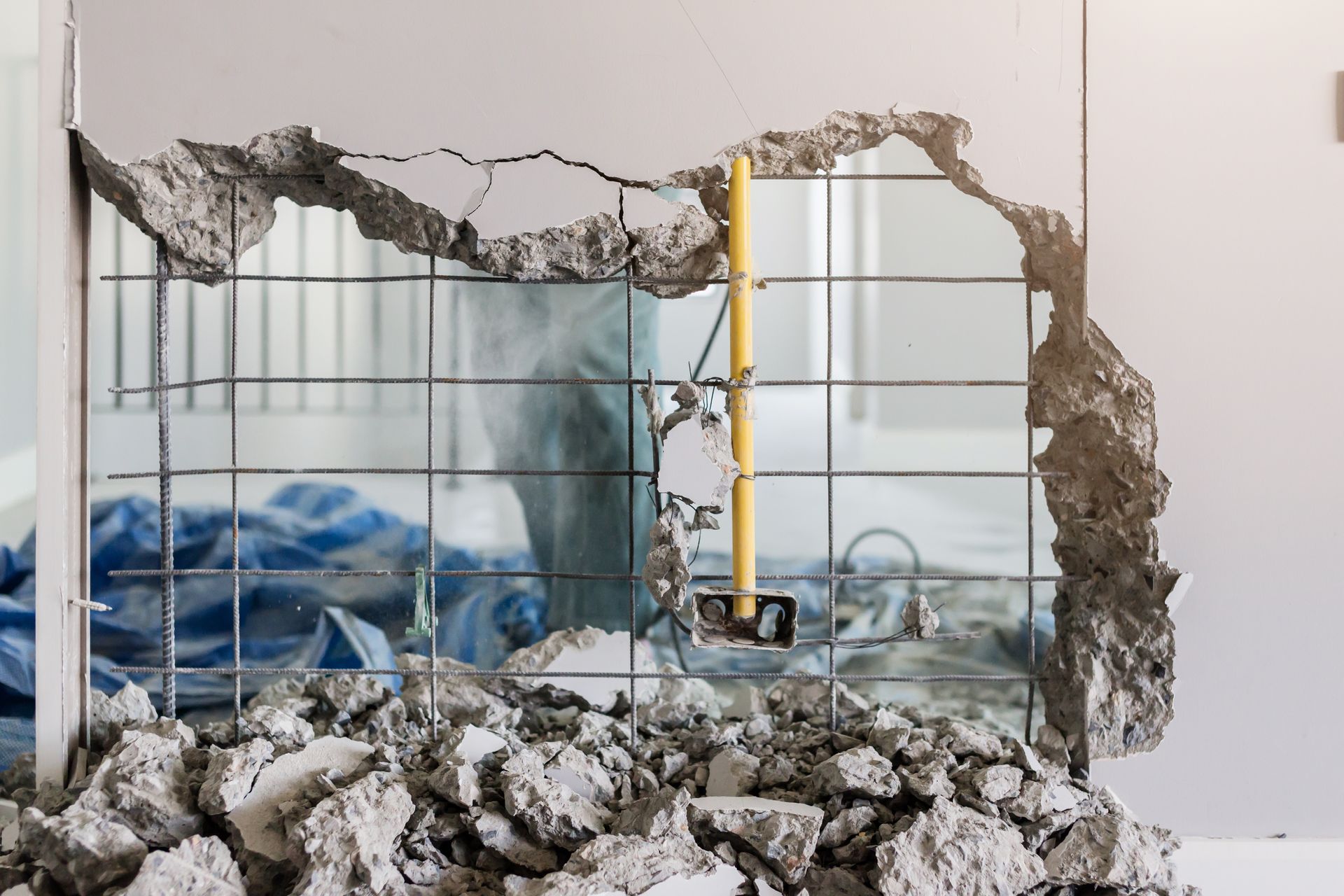
When you need to remove an old structure that has reached the end of its useful life, the process involves more than just tearing it down. Properties across the Greenwood area often include aging sheds, deteriorating mobile homes, or outbuildings that no longer serve their purpose and have become liabilities on the land. Advanced Services Group handles the complete removal process, from disconnection and structural teardown to debris haul-off and final site clearing.
This service is designed for homeowners preparing to rebuild, improve land value, or reclaim usable yard space in Greenwood. The work includes safe dismantling of old structures, sorting of materials, loading and transport of all debris, and final grading to leave the site level and ready for the next phase. Older properties and redevelopment projects throughout the area commonly require this type of clearing before new construction or landscaping can begin.
If you have a structure that needs to come down in Greenwood, Columbia, Abbeville or a surrounding area, contact Advanced Services Group to schedule a site visit and removal plan.
What Gets Done During Site Preparation
The removal process begins with an assessment of the structure and surrounding terrain in Greenwood. You will see crews using equipment sized appropriately for the job, which allows for efficient dismantling without unnecessary damage to adjacent landscaping, fences, or driveways. Disconnection of utilities, if applicable, is coordinated before physical demolition begins.
After the structure is removed, the site is cleared of all foundation remnants, scattered debris, and protruding fasteners. What remains is level ground that can be seeded, graded further, or used as a clean foundation for new construction. Efficient equipment minimizes disruption to surrounding areas while maintaining a controlled work zone throughout the project.
All debris is hauled off as part of the service, so you are not left managing disposal or coordinating multiple trips to a landfill. The timeline depends on the size and material composition of the structure, but most residential demolition projects are completed within one to three days once work begins.
Homeowners considering demolition services often have questions about timing, site conditions, and what happens after the structure is gone. These answers address the most common concerns before scheduling removal.
You May Be Weighing Your Options Right Now
If you are ready to remove a structure and reclaim usable space on your property, Advanced Services Group can provide a clear removal plan and timeline.
Call to schedule demolition services in Greenwood or a neighboring community, and start with a site assessment.